
Paul, Senior Electrician
Paul brings over 26 years of electrical expertise, specializing in heat pump technology and new build electrical systems. His practical knowledge ensures optimal performance and energy efficiency for modern homes.
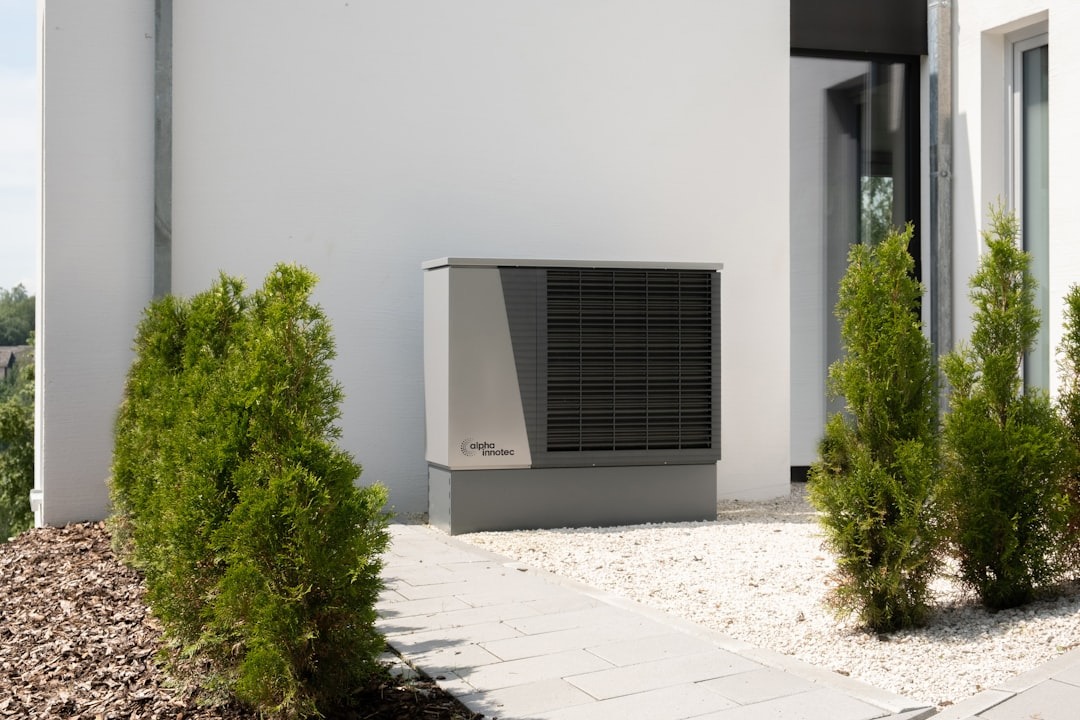
Expert Heat Pump & New Build Advice for Your Home
Hi, I’m Paul. I’m a qualified electrician and electrical engineer with over 26 years’ experience working in homes and new builds across Ireland.
Over the years, I’ve seen many homeowners struggle with high electricity bills, uncomfortable heating, and poorly set up heat pump systems — often because nobody explained things properly at the start.
This page is here to help you get the best from your system.

Optimizing Thermostat Settings
Learn how setting your thermostat correctly maximizes heat pump efficiency and keeps your home comfortable year-round.

Recommended Flow Temperatures
Discover ideal flow temperatures to ensure your system runs smoothly while reducing unnecessary energy use.

Reducing Electricity Bills
Find practical strategies to lower your energy costs without compromising warmth or performance.

When to Call a Professional
Understand common new build pitfalls and know the right time to seek expert help to avoid costly mistakes.
Discover Expert Heat Pump Advice
Gain practical insights into heat pumps, thermostat settings, and energy-saving tips to optimize your home’s comfort and efficiency.
Optimal Thermostat Settings
For most modern homes with heat pumps:
- Set your main living areas to around 20–21°C
- Bedrooms: 17–19°C
- Avoid big temperature swings
- Don’t turn the system fully off every night
Heat pumps work best when they run steadily.
Recommended Flow Temperatures
Flow temperature is one of the biggest factors in your running cost.
In most homes:
- Underfloor heating: 30–35°C
- Radiators (low temp): 35–45°C
Higher than this usually means higher bills.
If yours is set higher, it’s often wasting money..
New Build Considerations
Avoid common pitfalls in new homes with our expert advice and when to contact a professional.
How do heat pumps work in new builds?
Heat pumps in new builds take low-temperature heat from outside air and upgrade it to heat your home and hot water.
Because new homes are well insulated, heat pumps can run at lower temperatures, which makes them very efficient — if they are set up correctly.
Poor setup = high bills.
What is the ideal thermostat setting for a heat pump?
For most homes:
- Living areas: 20–21°C
- Bedrooms: 17–19°C
Avoid turning the system fully off and on.
Heat pumps work best when they run steadily in the background.
Can I reduce my electricity bill with a heat pump?
Yes — when it’s set up properly.
In most cases, high bills are caused by:
- Flow temperature too high
- Poor zoning
- Wrong timers
- Constant overrides
Fixing these can reduce running costs significantly.
What flow temperature should I use for my heat pump?
Typical ranges:
- Underfloor heating: 30–35°C
- Low-temperature radiators: 35–45°C
If yours is higher than this, it’s probably costing you extra money.
Every home is different, so fine-tuning matters.
When should I contact a professional electrician?
Get advice if:
- Your home never feels warm
- Bills are very high
- System runs constantly
- Rooms heat unevenly
- You’ve never had proper setup
Small problems early = big savings later.
What common pitfalls occur in new build heat pump installations?
The most common ones I see are:
- Factory settings never changed
- Flow temperature too high
- Poor room zoning
- No proper handover
- Controls never explained
These issues can cost thousands over time.
How can I maintain my heat pump for best results?
Simple things help a lot:
- Clean filters every few months
- Check timers yearly
- Keep outdoor unit clear
- Don’t constantly change settings
A well-maintained system lasts longer and costs less.